As Christians, why we go out on mission is an extremely important question. At the same time, where we go should be rooted in our why. If we are not careful, we can rush to pragmatism, which is certainly important; otherwise, not much would get done. But this can lead to unintended consequences. In the world of church planting and, more broadly, in North American missions, one of these consequences has been a neglect of rural communities.
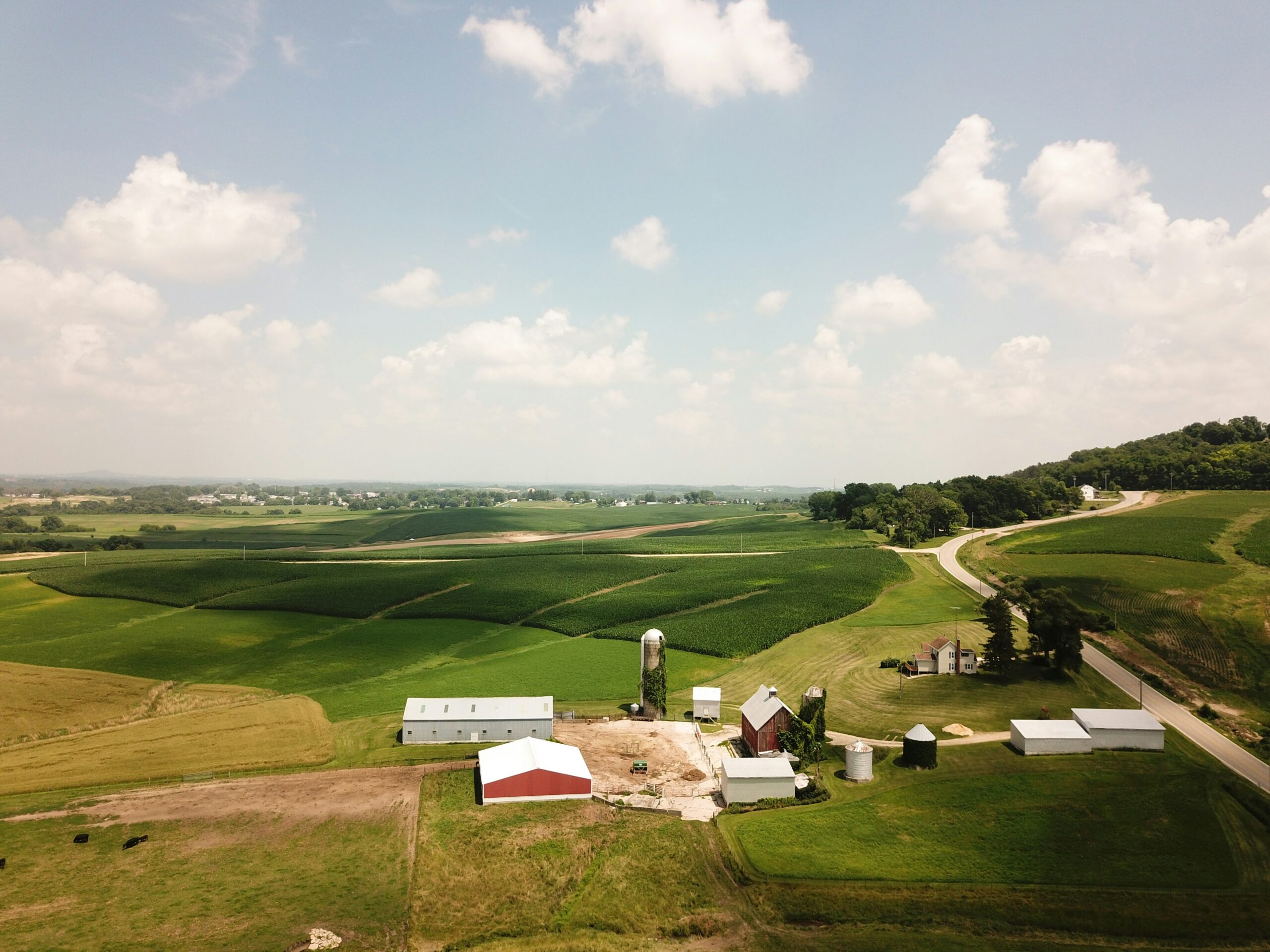
There is still much work to be done in cities and more populated regions, but the same is true for rural communities. There is a significant need for Gospel-centered missionary movements in these less-populated places. Many small towns and counties have not seen a healthy congregation or an intentional mission focus for a very long time. It is easy for rural communities to feel forgotten, yet God has no forgotten places.
While there are vast numbers of rural counties and towns in need, there are places where God is moving in powerful ways. One of those is my own community of Mount Ayr, IA!
I am not suggesting we deemphasize evangelization and church planting in more densely populated areas. However, I am suggesting that rural areas should also be prioritized with similar intentionality. This is because so much of our nation is rural, and these communities are home to image-bearers of God. In Christ, God is reconciling a people to Himself, and in that mission, He desires that every man, woman, and child have repeated opportunities to hear and respond to the call of mercy.
Unfortunately, few, when considering planting a church or going on a mission, even consider going somewhere small, at least here in the United States. Yet the harvest is plentiful, and the potential Kingdom impact in these places for the sake of Christ is tremendous!
God’s mission is expansive because it ultimately encompasses the restoration of all things through the Person and Work of Christ. I can’t help but think of Colossians 1:19-20: “For in Him all the fullness of God was pleased to dwell, and through Him to reconcile to Himself all things, whether on earth or in heaven, making peace by the blood of His cross.”
These verses contain so much good news and provide rich theological fuel for worship and thanksgiving. Additionally, we find conviction-forming realities that lay a foundation for living out God’s mission and compel us to intentionally go out to the world Christ has reconciled.
First and foremost, the reality of who Jesus is and the magnitude of what He accomplished in His life, death, and resurrection fuel the church’s mission. He is God in the flesh, the One through whom and for whom all things were made (Colossians 1:16).
The early church father Athanasius, writing around 318 AD, wrote: “The renewal of creation has been wrought by the Self-same Word who made it in the beginning. There is thus no inconsistency between creation and salvation; for the one Father has employed the same agent for both works, effecting the salvation of the world through the same Word who made it in the beginning” (Athanasius, On the Incarnation, 3.4).
In other words, our Maker is our Savior! Who else is strong enough to bring about the fullness of redemption but God alone?
The scope of God’s redemption is enormous. This is evident in the phrase “all things” in Colossians 1:20. Sin’s effect on the world is all-encompassing, but thankfully, so is the work of Christ. This should inform our mission and how we live it out. While there is much to say about what it means that, in Christ, “all things” are reconciled to Him, it is important to have this influence where we go.
All things include all places; no place on this planet is excluded. Therefore, we must not overlook small and rural communities in our missions and church-planting work. Christ is to be proclaimed to all people in all places for His glory.
Reaching small communities is not a less important mission in God’s economy, nor does He prioritize only the world’s cultural centers to the detriment of communities that lie downstream.
God is building His Church by redeeming individuals who become living stones in a spiritual house, forming a holy priesthood (1 Peter 2:5). Together, these redeemed people worship God and extend the Kingdom where they live. Whether in a city of one million or a town of a thousand, both are part of Christ reconciling all things to Himself, and both carry significant eternal worth.
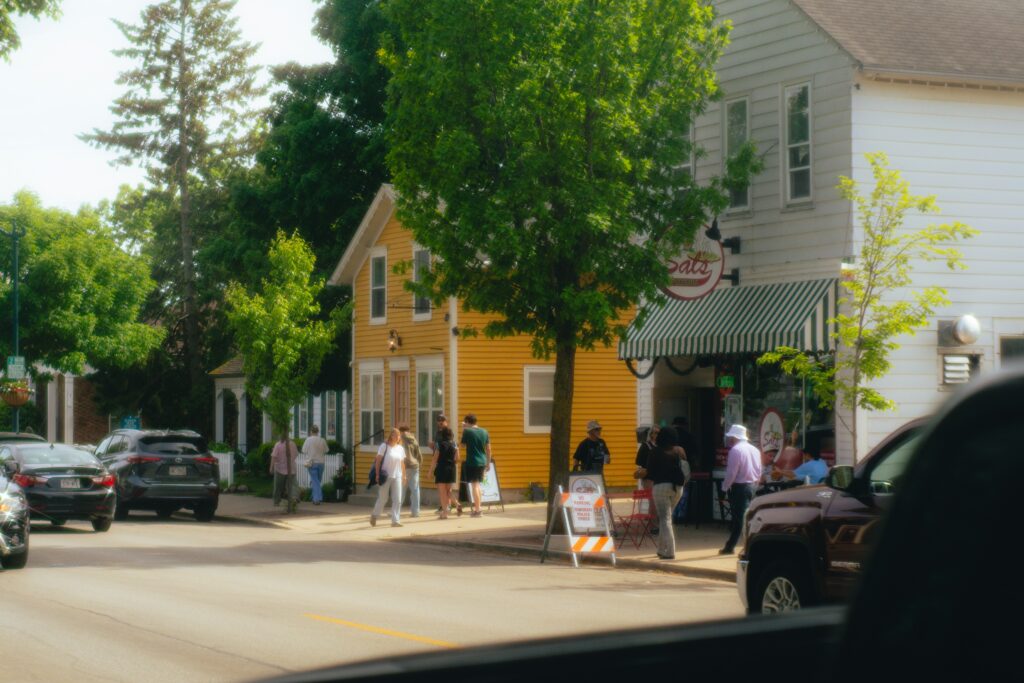
Will you join me and others who pray fervently for more people to go to small, out-of-the-way rural communities for the sake of Christ and the building up of His Bride? These places are in urgent need of healthy shepherds, leaders, missionaries, and families willing to make the spiritual sacrifices of a missionary life in towns of 500 to several thousand. May those who live in these communities not have to drive thirty, forty, or even sixty minutes to find a Christ-centered expression of the church.
The need is great; our God is greater. The rural harvest is plentiful; may those who labor in it not be so few.
In 1 Corinthians 1:2, the Apostle Paul wrote: “To the church of God that is in Corinth, to those sanctified in Christ Jesus, called to be saints together with all those who in every place call upon the name of the Lord Jesus Christ, both their Lord and ours.”
I am struck by “who in every place”. Thinking through the profound redemptive work of Jesus, who through His death on the cross reconciled all things to Himself, may He help us abound more and more in the work of church planting and evangelization.
May we be driven to see the Gospel made accessible in all places through believers who are convinced that, in Christ, God has indeed reconciled all things to Himself.