
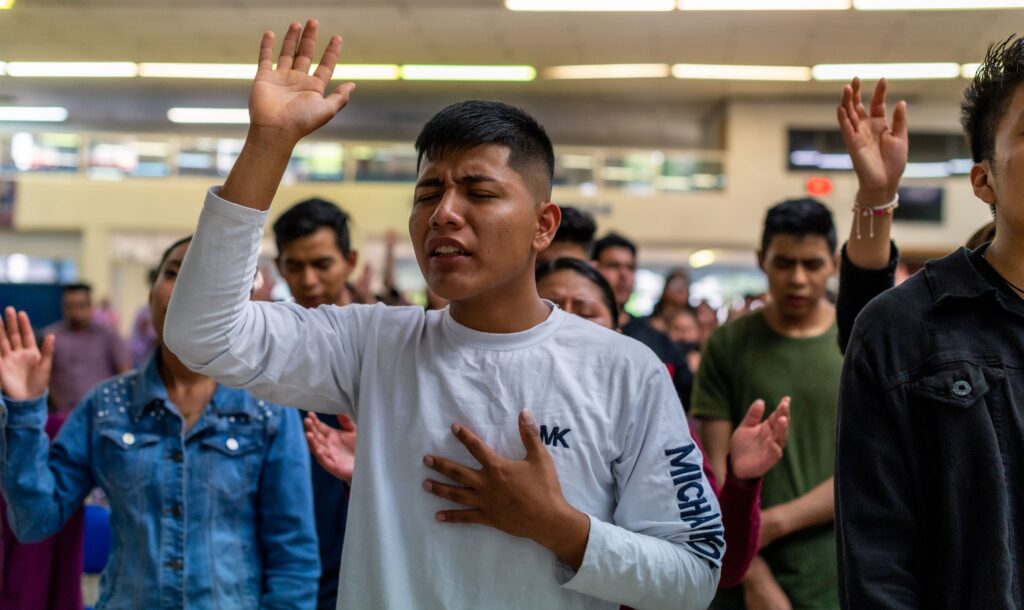
Across the United States, immigrant churches are faithfully serving their communities, reaching people with the gospel, and making disciples among growing immigrant populations. Yet many immigrant pastors carry burdens that are often unseen by their brothers and sisters in established American churches.
For many immigrant pastors, ministry is not simply a full-time calling—it is something they must balance alongside employment, financial pressures, cultural barriers, and the challenges of leading congregations with limited resources. While these pastors are deeply committed to serving Christ and fulfilling the Great Commission, they often do so with far fewer resources than most American pastors realize.
The question for American churches is not whether immigrant churches need support. The question is how we can come alongside these pastors as partners in ministry.
Understanding the Challenges Immigrant Pastors Face
One of the greatest challenges facing immigrant pastors is financial support. Many immigrant congregations are small and unable to provide a living wage for their pastors. As a result, most immigrant pastors work full-time or part-time jobs to support themselves and their families while also carrying the responsibilities of preaching, discipleship, counseling, evangelism, and church leadership.
Unlike many pastors in established churches who are able to devote their full attention to ministry, immigrant pastors often prepare sermons after long workdays, conduct pastoral visits during limited free time, and juggle ministry responsibilities around demanding work schedules.
In addition to these pressures, many church members are also facing financial hardships. Immigrant families often support relatives overseas while adjusting to life in the United States. These realities can make it difficult for congregations to provide sufficient resources for ministry growth.
Another significant challenge is access to ministry facilities. Many immigrant churches do not own buildings and must rent space or share facilities with other congregations. Limited access to worship space can restrict ministry opportunities and create obstacles for church growth.
Many immigrant pastors also face cultural challenges. For example, Bengali Christians from Bangladesh are often assumed to be Muslim because they come from a Muslim-majority country. This can create misunderstandings and require pastors and church members to continually explain their Christian identity and testimony.
Why This Matters
Immigrant churches are uniquely positioned to reach people whom many traditional churches may never encounter. They have access to communities, languages, cultures, and relationships that provide extraordinary opportunities for gospel ministry.
Many immigrant pastors are ministering among unreached people groups, first-generation immigrants, international students, and families who may have little or no connection to a local church. Their ministries represent a strategic opportunity for advancing the gospel in communities that are increasingly present across America.
When immigrant pastors are strengthened, the church’s mission is strengthened.
How American Pastors Can Come Alongside Immigrant Pastors
The first step is building relationships. Many immigrant pastors simply need friendship, encouragement, and fellowship with other pastors who understand the joys and challenges of ministry. A phone call, a shared meal, or a regular time of prayer together can be a powerful source of encouragement.
Second, American churches can provide practical support. This may include helping immigrant congregations access meeting space, sharing ministry resources, offering administrative assistance, or providing opportunities for leadership development and training.
Third, churches can consider investing financially in immigrant pastors and their ministries. Even modest support can help relieve some of the burden carried by pastors who are working multiple jobs while serving their congregations.
Fourth, American pastors can invite immigrant church leaders into local ministerial networks, conferences, and fellowship gatherings. These opportunities help foster mutual learning and demonstrate that immigrant pastors are valued partners in the work of the gospel.
Finally, churches can intentionally partner with immigrant congregations in evangelism, missions, and community outreach. Rather than viewing immigrant churches as separate ministries, we should see them as fellow laborers in God’s kingdom.
A Call to Partnership
Immigrant pastors are faithfully serving Christ in challenging circumstances. They preach the gospel, disciple believers, care for families, and reach communities that many churches struggle to engage. Yet many do so with limited resources and little support.
American pastors and churches have a unique opportunity to come alongside these servants of God—not simply as donors, but as partners, friends, and fellow workers in the gospel.
When we strengthen immigrant pastors, we strengthen the church. When we invest in immigrant congregations, we participate in God’s work among the nations that He has brought to our own communities. Together, we can help fulfill Christ’s Great Commission and demonstrate the unity of the body of Christ across cultures, languages, and backgrounds.
This information was gathered through personal interviews with immigrant pastors. If your church would be interested in connecting with an immigrant church plant, please contact EveryEthne.